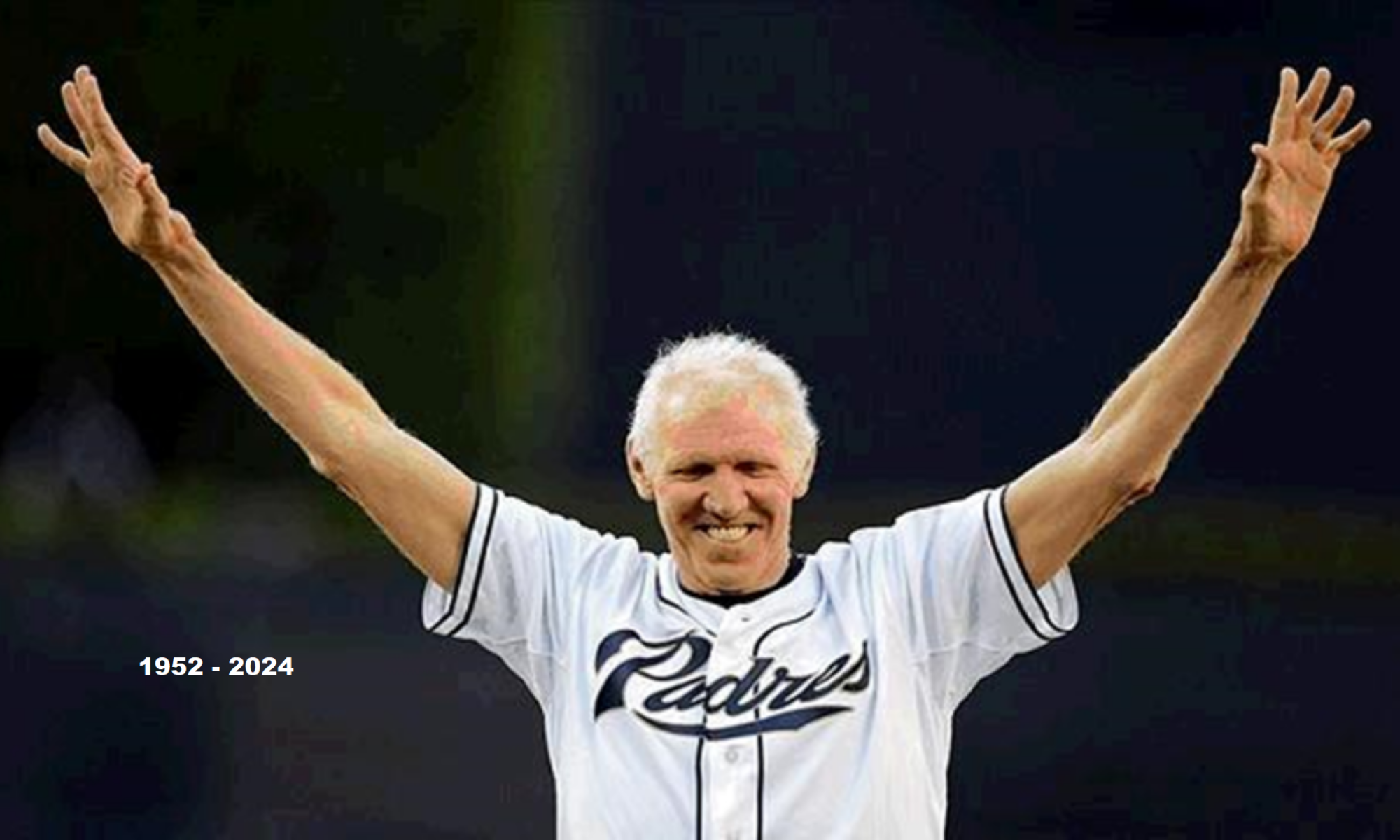
Biography
William Theodore Walton, III (Bill) was born on November 5th, 1952, in San Diego, California.
He was introduced to the game of basketball while in the fourth grade at Blessed Sacrament Elementary School by coach Frank “Rocky” Graciano. Walton then attended Helix High School, where the basketball coach was Gordon Nash. At Helix, his team won the California Interscholastic Federation High School title two years in a row, while winning their final 49 consecutive games. While at Helix, Walton became the first and only high school player to ever make the USA Senior Men’s National Basketball Team and play in the World Championship and/or Olympics. Walton is the first of only two male California high school basketball student-athletes to be enshrined in the National High School Hall of Fame. Nearly 45 years after graduating from Helix in 1970, Walton still holds the national all the time high school record for FG % at 79%. He is also still the #3 all time rebounder nationally in the history of high school basketball.
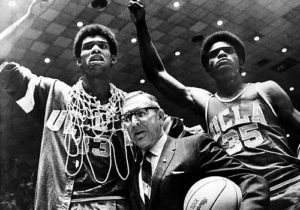
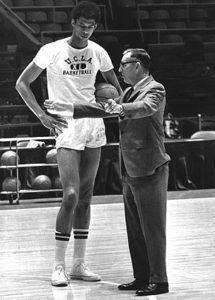
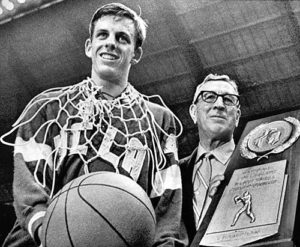
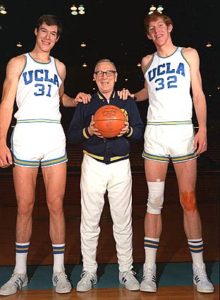
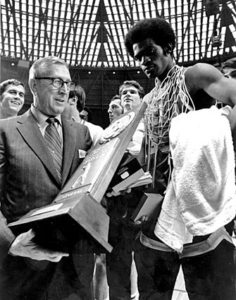
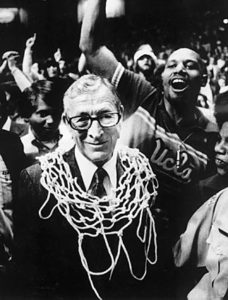
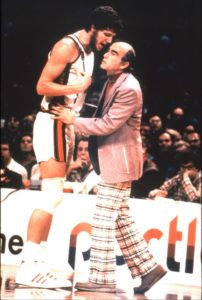
Walton enrolled at UCLA in 1970. He played center for John Wooden’s Varsity team for three seasons (1972-1974), after an undefeated year with the freshman team in 1971. He was a member of two undefeated NCAA championship teams compiling an NCAA record 88 consecutive game winning streak.
Bill Walton is a three-time recipient of the NCAA Player of the Year Award, 1972, ’73 and ’74. Walton is a 3 time All-America College Player and winner of the Sullivan Award for the United States Best Amateur Athlete of 1973. He was named to the Pacific 8 All-Conference first team 3 times and was Pac-8 Conference Player of the Year for three consecutive years. At UCLA Walton was a scholar-athlete who also earned Academic All-America honors three years in a row. He graduated with honors with a B.A. in history. Walton also attended Stanford University Graduate School of Law in the early 1980’s.
Walton’s professional career began when he was the number one over all pick in the 1974 NBA Draft by the Portland Trailblazers. He was a member of their championship team in 1977. Nine years later he earned another championship title, this time with the Boston Celtics in 1986. He played with the Trailblazers 1974-1979, the San Diego Clippers 1979-1984, the relocated Los Angeles Clippers in 1985, and The Boston Celtics 1985-1988.
Bill Walton was the NBA’s Most Valuable Player, 1978; all-NBA First Team, 1978; NBA All-Star Team, 1977 and 1978; NBA Playoff’s MVP, 1977; all-NBA second team, 1977; winner of the NBA Sixth Man Award, 1986. Walton is one of only four players in the history of basketball to have won multiple NCAA and multiple NBA Championships. Walton is also the second of only five players in the history of the NBA to lead the league in both blocked shots and rebounding in the same season.
He remains active in basketball through clinics, camps, coaching, and television commentary. He started his broadcasting career in 1990 as an analyst for the then Prime Ticket Network. Walton worked for CBS Sports in the early 90’s during the NCAA Final Four and then for NBC for many years, including work on the 1996 Atlanta and 2000 Sydney Summer Olympic Games. Over the last 21 years he has worked for ABC, ESPN, NBC, CBS, Fox, MSNBC, Turner Sports, KCAL, NESN, and the NBA. Walton is also involved in numerous internet ventures providing content and business acumen.
Walton received the 1991 NBPA’s Oscar Robertson Leadership Award. In 2002, he received the NBA Retired Player’s Association Humanitarian Award. In 1992, 1993, 1995,1996, 1998, 1999 and 2000, the Southern California Sports Broadcasters Association honored Walton with the Best Television Analyst/Commentator award. In 2002, he was hired as the lead analyst for ESPN/ABC’s coverage of the NBA. He is also a regular contributor toESPN.com, NBA.com, ESPN The Magazine, and ESPN Radio. During the 2002 NBA Playoffs, Walton exhilarated in the Love It Live Tour of America – a 30 game, 30 day extravaganza – covering over 40,000 miles. This life-changing experience was chronicled in a daily journal published on NBA.com, and consists of over 56,000 words, hundreds of photos, and endless fun.
Walton has also been the lead subject of his own reality TV show: Bill Walton’s Long Strange Trip, a dramatic saga that still plays continuously.
In 1993, Walton was inducted into the Basketball Hall of Fame in Springfield, Massachusetts. Walton also became a member of the Academic All America Hall of Fame during the spring of 1994. For his television broadcasting work, Walton has been nominated for numerous Emmy awards and in 2001 won an Emmy for best live sports television broadcast. In 1997 Walton was selected as one of the NBA’s Fifty Greatest Players of all Time. Also in 1997, Walton was inducted into the National High School Sports Hall of Fame, making him the first male basketball player to be so honored from the state of California. The NCAA honored Walton with their Silver Anniversary Award in 1999 for having made significant professional and civic contributions since he completed his intercollegiate eligibility 25 years ago.
Walton has also been inducted into the San Diego Breitbard Sports Hall of Fame, The UCLA Hall of Fame, the Oregon Sports Hall of Fame, the Boys and Girls Club Hall of Fame and the Guinness Hall of Brilliance.
In 1979 Walton received an Emmy for his work on an environmental documentary filmed on location in the Philippines. He has also had roles in feature films such as: Little Nicky, He’s Got Game, Forget Paris, Celtic Pride and Ghost Busters. And he is a regular contributor to television shows including The Wheel of Fortune, The Jeff Foxworthy Show, The Sentinel, Pacific Blue, Inside Schwarz, and The Weakest Link. His commercials include: Tostitios, Reebok, Anacin, Best Western Hotels, Guinness and Capital One.
In 2007, Walton was named one of the top 10 pundits in America by Forbes. That sa me year he was also named one of the top 20 Business Athlete representatives by TSE Sports and Entertainment Group.
In 2009, Walton was named one of the top 50 sports broadcasters of all time by the American Sportscasters Association.
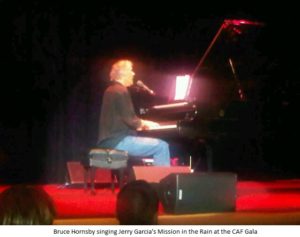
In June 21, 2001, Bill was named as the inaugural inductee into the Grateful Dead Hall of Honor, and signed memorabilia is available. All proceeds go to benefit the Rex Foundation, the non-profit charitable organization founded by members of the Grateful Dead and friends.
Walton and his older brother Bruce (UCLA 1973) are the only brother combination in history to have played in the Super Bowl and to have won an NBA Championship.
Walton and his third son Luke are only the third father/son pairing to have ever won NBA Championships. They are also the only father/son combination in history to have each won multiple NBA Championships.
Walton has also won the Wheel of Fortune World Championship, and he is the reigning titleholder of the Jimmy Kimmel Live Scavenger Hunt.
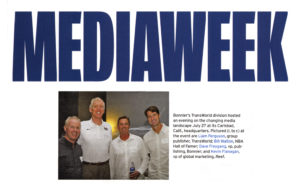
Walton is currently the Executive Chairman of Connect SD Sport Innovators (SDSI), a non-profit, business accelerating, trade organization that connects and drives the growth of Southern California’s vibrant sports economy by offering innovative programs and services for startups, mature companies and service providers. SDSI offers mentoring, education and capital funding opportunities for start-ups; best practice collaboration, access to new technology, and public policy advocacy for mature companies; as well as deal flow to our service providers and the Southern California Investment Community. Bill is also a board member for the Junior Seau foundation.
Walton currently resides in his hometown of San Diego with his wife Lori. They are the proud parents of four sons: Adam, Nathan, Luke and Chris, and the lucky grandparents of Olivia, Avery Rose and Chase.
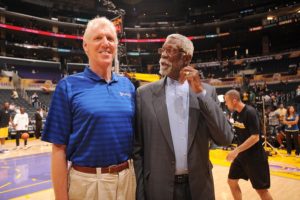
LOS ANGELES - JUNE 15: the Boston Celtics against the Los Angeles Lakers in Game Six of the 2010 NBA Finals on June 15, 2010 at Staples Center in Los Angeles, California. NOTE TO USER: User expressly acknowledges and agrees that, by downloading and/or using this Photograph, user is consenting to the terms and conditions of the Getty Images License Agreement. Mandatory Copyright Notice: Copyright 2010 NBAE (Photo by Noah Graham/NBAE via Getty Images) *** Local Caption *** NAME
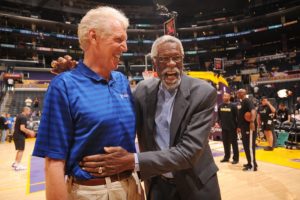
LOS ANGELES - JUNE 15: the Boston Celtics against the Los Angeles Lakers in Game Six of the 2010 NBA Finals on June 15, 2010 at Staples Center in Los Angeles, California. NOTE TO USER: User expressly acknowledges and agrees that, by downloading and/or using this Photograph, user is consenting to the terms and conditions of the Getty Images License Agreement. Mandatory Copyright Notice: Copyright 2010 NBAE (Photo by Noah Graham/NBAE via Getty Images) *** Local Caption *** NAME
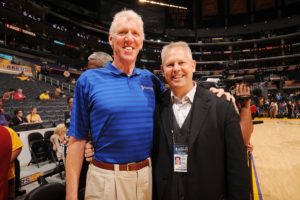
LOS ANGELES - JUNE 15: the Boston Celtics against the Los Angeles Lakers in Game Six of the 2010 NBA Finals on June 15, 2010 at Staples Center in Los Angeles, California. NOTE TO USER: User expressly acknowledges and agrees that, by downloading and/or using this Photograph, user is consenting to the terms and conditions of the Getty Images License Agreement. Mandatory Copyright Notice: Copyright 2010 NBAE (Photo by Noah Graham/NBAE via Getty Images) *** Local Caption *** NAME
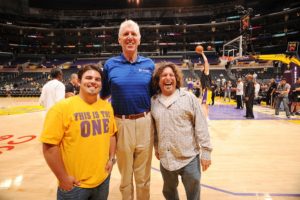
LOS ANGELES - JUNE 15: the Boston Celtics against the Los Angeles Lakers in Game Six of the 2010 NBA Finals on June 15, 2010 at Staples Center in Los Angeles, California. NOTE TO USER: User expressly acknowledges and agrees that, by downloading and/or using this Photograph, user is consenting to the terms and conditions of the Getty Images License Agreement. Mandatory Copyright Notice: Copyright 2010 NBAE (Photo by Noah Graham/NBAE via Getty Images) *** Local Caption *** NAME
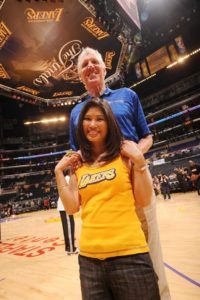
LOS ANGELES - JUNE 15: the Boston Celtics against the Los Angeles Lakers in Game Six of the 2010 NBA Finals on June 15, 2010 at Staples Center in Los Angeles, California. NOTE TO USER: User expressly acknowledges and agrees that, by downloading and/or using this Photograph, user is consenting to the terms and conditions of the Getty Images License Agreement. Mandatory Copyright Notice: Copyright 2010 NBAE (Photo by Noah Graham/NBAE via Getty Images) *** Local Caption *** NAME
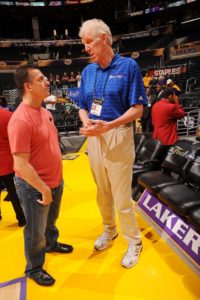
LOS ANGELES - JUNE 15: the Boston Celtics against the Los Angeles Lakers in Game Six of the 2010 NBA Finals on June 15, 2010 at Staples Center in Los Angeles, California. NOTE TO USER: User expressly acknowledges and agrees that, by downloading and/or using this Photograph, user is consenting to the terms and conditions of the Getty Images License Agreement. Mandatory Copyright Notice: Copyright 2010 NBAE (Photo by Noah Graham/NBAE via Getty Images) *** Local Caption *** NAME
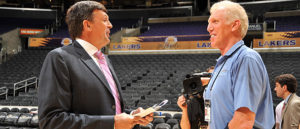

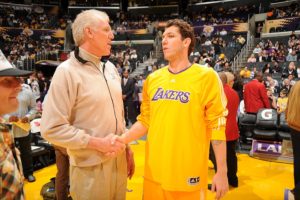
LOS ANGELES - APRIL 13: the Sacramento Kings against the Los Angeles Lakers at Staples Center on April 13, 2010 in Los Angeles, California. NOTE TO USER: User expressly acknowledges and agrees that, by downloading and/or using this Photograph, user is consenting to the terms and conditions of the Getty Images License Agreement. Mandatory Copyright Notice: Copyright 2010 NBAE (Photo by Noah Graham/NBAE via Getty Images) *** Local Caption *** NAME
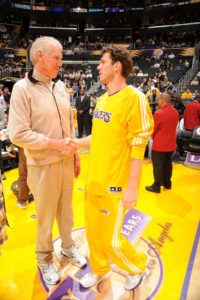
LOS ANGELES - APRIL 13: the Sacramento Kings against the Los Angeles Lakers at Staples Center on April 13, 2010 in Los Angeles, California. NOTE TO USER: User expressly acknowledges and agrees that, by downloading and/or using this Photograph, user is consenting to the terms and conditions of the Getty Images License Agreement. Mandatory Copyright Notice: Copyright 2010 NBAE (Photo by Noah Graham/NBAE via Getty Images) *** Local Caption *** NAME
The Grateful Dead
The Grateful Dead Hall of Honor
|

 Bill has always been the first to acknowledge the influential and inspirational role that the Grateful Dead has played in his life since his teenage years. ” They’ve been my life,” he says, ” since I first saw them in the late 60s, when I was in high school.” He numbers the Dead among the great teachers in his life, on a par with mentors like Coach Wooden, and believes that lessons learned from the band served him well in the pursuit of his goals as a basketball player: “Their inspiration drove me. They taught me the importance of delivering peak performances on demand, and to always play with a sense of joy and creativity.” As an athlete Walton felt a kinship with one of the central tenets of the Dead’s musical philosophy: that teamwork, cooperation and collective improvisation is more important than the virtuoso solo performance. ” The nicest thing anybody ever said about me was that I made my teammates play better. And that’s what the Grateful Dead was all about. They were just like a great basketball team… a group of outstanding individuals realizing that the strength of the team was the strength of the individual.” Bill compares the Dead to the very best players ever to take the floor in the NBA – “Michael Jordan. Kareem Abdul-Jabbar, Larry Bird, Magic Johnson – all the great ones – you could set your calendar by them, and know that they were gonna deliver when it really mattered” – and also sees parallels in the levels of excitement at a Dead show and a championship-level game: “You can’t achieve it if the crowd isn’t there in front of you. When you listened to the Dead in soundcheck, or in the studio, it wasn’t the same as when you were there with all those other people. Feeling that anticipation, that surge, that glow… it was exactly like a basketball game. Every moment was completely new… You never know where freedom is going to take you… The great variables… The improvisation… The beautiful thing is the anticipation of what’s gonna happen next, and also the response to the unexpected, brilliant play.”
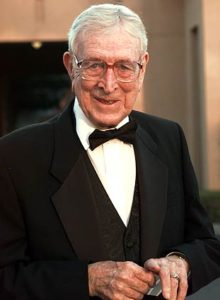
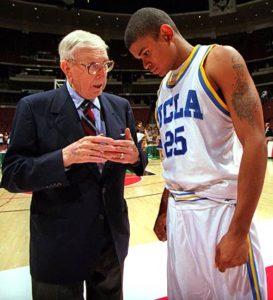
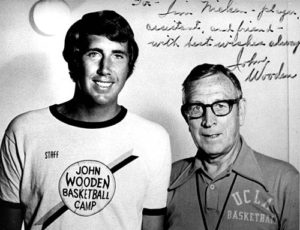
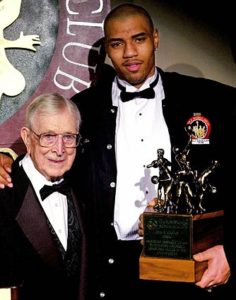
John Wooden
John Wooden, Like UCLA, Simply the Best
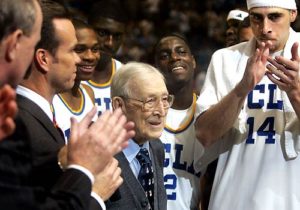
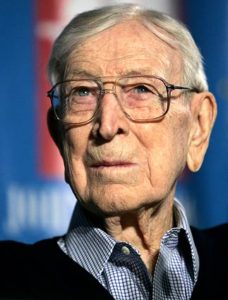
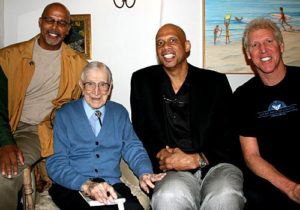
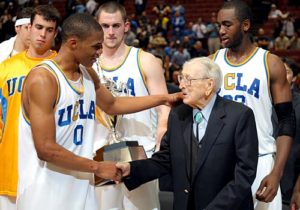
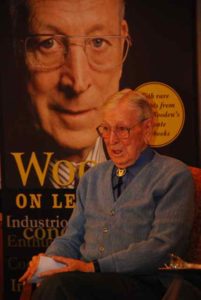
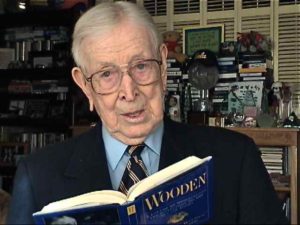
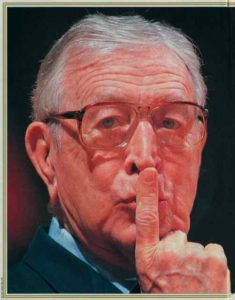
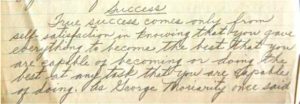
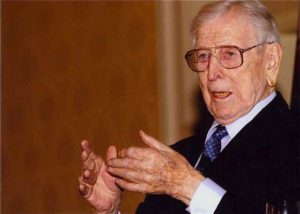
 The proudest people I know are the privileged, chosen few that are lucky enough to be UCLA alums. Our memories of the glory days spent at UCLA conjure up images of a perfect world, where all the days were bright and sunny, where the playing field was completely level, the buildings and landscaping flawlessly designed and manicured and the wonders of Los Angeles at your fingertips. Those permanent features of UCLA have left indelible imprints on our lives and have helped shape our futures. But of all things UCLA, it is the people who live, learn, study, work and teach there that make the school the a unique institution. While the UCLA family has its share of incredible people in the business, legal, medical, science, engineering, music, architecture, linguistic, humanities, philosophy and psychology disciplines, the most profound influence on my relationship to UCLA has come from the athletic department.
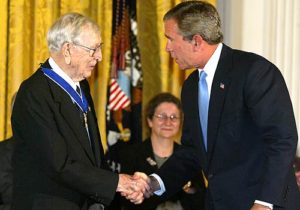
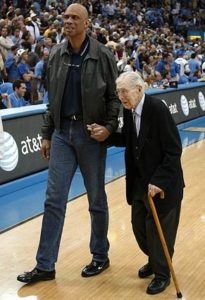
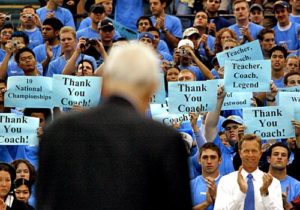
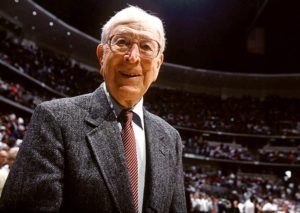
UCLA can easily claim an endless list of people who have changed the world. In sports, that list would include Jackie Robinson, Arthur Ashe, Kareem Abdul Jabbar, Rafer Johnson, Jimmy Connors, J.D. Morgan and Ducky Drake. But of all the legends who have given so much, it is John Wooden, the former basketball coach, who has had the greatest impact on the largest number of people. John Wooden does not have the physical prowess that enables so many others to dominate their sport. Nor does he have a dominating, overwhelming personality to give him complete control over his world. What he has is a heart, brain and soul that put him in a position to inspire others to reach levels of success and peace of mind that we could never dream of reaching by ourselves.
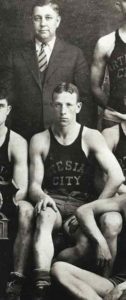
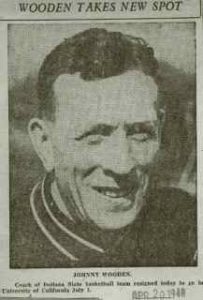
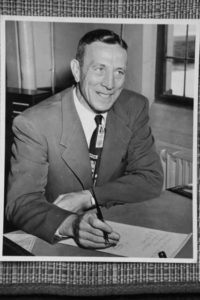
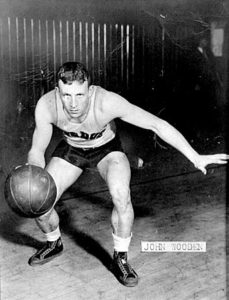
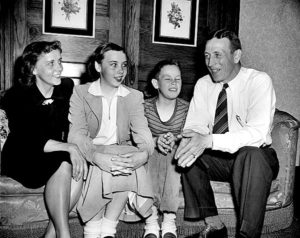
 Coach Wooden is a humble, private man who has selflessly given up his life to make other people’s lives better. Raised on the family farm, which his parents lost due to financial difficulties in 1925, John Wooden became one the worlds first great basketball players in the small Midwestern town of Martinsville, Indiana. After playing in three successive state high school championship games, John Wooden moved on to star both academically and athletically at Purdue, graduating with honors in 1932. When his playing days were prematurely ended due to leg injuries, John Wooden turned his life over to his pursuit of his two greatest loves: his soon to be wife, Nell, his high school sweetheart and the only girl he ever dated, and education. After various teaching positions at both the high school and collegiate levels in Indiana and a stint in the navy during world war II, John Wooden signed on to become the basketball coach at UCLA in 1948, an event that would change everything for so many of us.
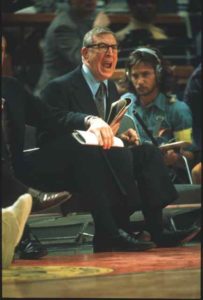
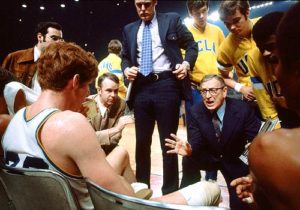
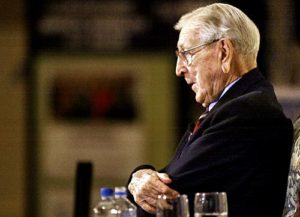
John Wooden, while hired to coach basketball, never stopped at something so simple. He taught life at UCLA for 27 years before officially retiring in 1975, establishing records for success that will never be touched. All of the approximately 168 UCLA basketball lettermen John Wooden coached know that when he stopped actively running Bruin basketball, it did not signify an end to his life-long commitment to teaching. With John Wooden, there was never an end to anything. His ability to always be about what’s next, always about the future, enables him to lead an incredibly active, constructive, positive, and contributing life to this very day.
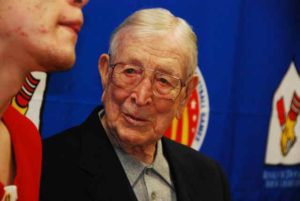
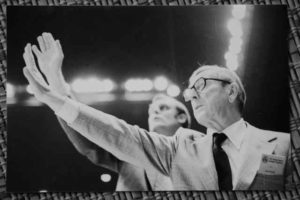
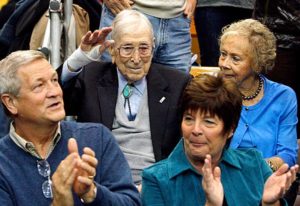
 Now 89 years young, John Wooden is still our coach in so many ways. And just as if it were 30 years ago and we were leaving Dykstra hall early in the morning on yet another of life’s journeys, he is there with us to this very day. Pushing, shaping, molding, challenging, driving us to be better. To be faster. Now, as then, this is not done in an overbearing fashion, but always in the lowest key imaginable. John Wooden teaches by example. He never asks or expects anyone to do anything that he hasn’t already done himself. He teaches by creating an environment that people want to be a part of, where we want what he has to give. While we haven’t always known this – and some of us are certainly very slow learners – learn we eventually did.
That is what John Wooden teaches, the ability to learn how to learn. The same thing that he promised us as high school recruits 32 years ago. While all the other schools chasing us promised basketball, material and individual success, John Wooden talked about the chance of coming to UCLA and being part of something special. The opportunity to train your mind, to learn how to think, to develop skills, to make decisions, to dream, to achieve peak performance. And by the way, if you lived up to your responsibilities as a student and a human being, then you earned the privilege of becoming a member of the UCLA basketball team.
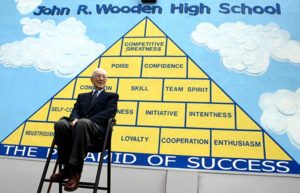
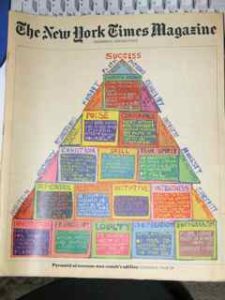
And teach he did, everything as a matter of fact, on a constant basis. From showing us how to put our shoes and socks on, to how to get dressed properly so that our equipment and tools would never interfere with our goals and dreams. to how to build a foundation based on the human values and personal characteristics that are embodied in his pyramid of success so that when you aren’t hot, when you are not in the zone, when the ball bounces the other way, you will still be able to achieve peak performance on command. And all the while he is teaching, there are the underlying themes, his principles, his foundation, his core as a human being, his pyramid. Particularly his belief that basketball, like life, is not a game of size and strength but a game of skill, timing and position. And that it’s not how tall you are, but how tall you play. It’s not how high you jump, but where you are and when you jump.
 John Wooden gave us the necessary tools to overcome the adversity and obstacles that he knew from the beginning would always be in our way. He taught us how to practice against an imaginary, ideal opponent so as not to waste time and effort. He taught us to find a source of motivation to inspire us to ever higher levels of preparation and work. He taught us how to be in balance so we could quickly get to what’s next, and that quickness is a mental skill based on anticipation, not a physical skill based on athleticism. He taught us that confidence is an integral part of achieving peak performance, but that confidence must come from a lifetime of preparation that ensures deliverance to the championship level.
All of this was done in the subtlest of ways. While our practices were the most demanding endeavors that I’ve ever been a part of, so physically, emotionally, mentally and psychologically taxing, there is always the sense of joy, of celebration and of people having fun playing a simple game. Always positive, always constructive, John Wooden drives us in ways and directions that we are not aware of, always with the goal of making us better. It is never about him, never about the struggle for material accumulation, but always about individual skill and personal development within the framework of the team, the game and UCLA. Our practices, our lives are constantly structured around the four laws of learning: explanation, demonstration, correction and repetition. And repeat we do. Everything, everyday until we have become John Wooden ourselves. But that is not his goal, for he knows that the strength of the team is the strength of the individual. And that when everyone thinks alike, no one is thinking. That is what and how he teaches. Rarely telling us the what or why, but rather showing us how and letting us come to the rest of the answer on our own. He never talks about winning and losing but rather about the effort to win. He rarely talks about basketball but generally about life. He never talks about strategy, statistics or plays but rather about people and character. And he never tires of telling us that once you become a good person, then you have a chance of becoming a good basketball player or whatever else you may want to do.
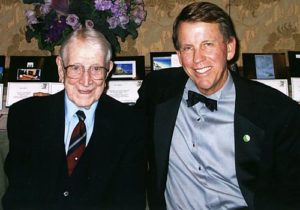
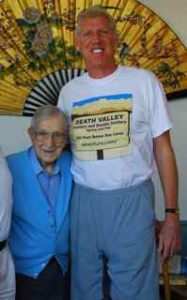
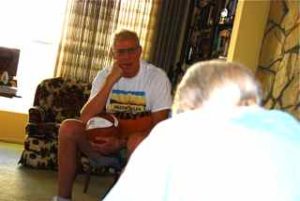
Of course we didn’t understand or realize any of this while we were living it. We thought he was nuts, crazy. And why not. We won all of our games during our first three and a half years at UCLA. It wasn’t until we started to lose at the end of our senior year, it wasn’t until we left UCLA and ran into the adversity that he told us would be there, that it started to dawn on me just how special we had it at UCLA. It has been 26 years now since I graduated from UCLA. I have spent those years trying to duplicate that period in my life. Our house, in my hometown of San Diego, is a shrine to UCLA and John Wooden, with memorabilia, the pyramid and pictures of John Wooden everywhere. I’ve taken my kids to his house, the same house that he has lived in since 1973. The house the Nell put together, the house that has not changed since Nell passed away in 1984. I’ve taken my kids there to get the lessons of life, including how to put your shoes and socks on. Like me 30 years ago, my kids who are now 24, 22, 20 and 18 and who have lived this story of John Wooden and UCLA their whole lives, think I’m nuts. John Wooden to this day regularly reminds me what a slow learner I am. But I am closer to John Wooden today than I’ve ever been.
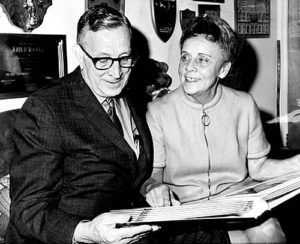
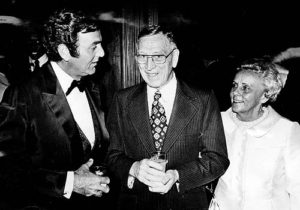
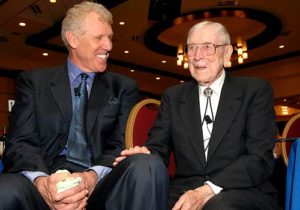
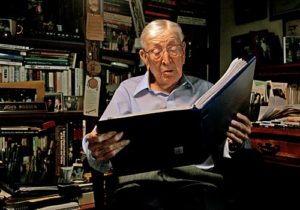
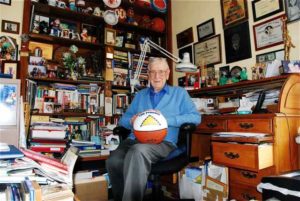
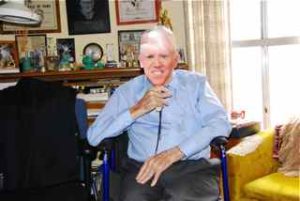
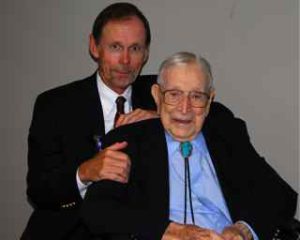
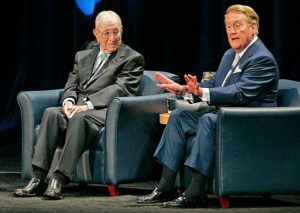
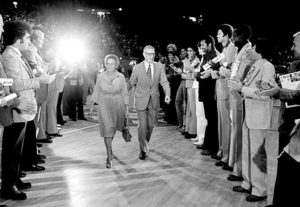
 We are friends now. John Wooden was not your friend when you played for him at UCLA. He wouldn’t have it that way. He knew he had to ask us to do things that were not always in our best self interest. He knew that he had to take us to places we didn’t want to go. But now it’s different. So many of the battles have been fought and won. Now we are friends. I call him on the phone constantly and go to see him as often as possible, always insisting that we sit in his office, his den, his sanctuary. The den is a museum of the history of basketball and life, arranged by Nell and unchanged over the years. It’s an incredible place, so inspiring, so bright, so positive, so John Wooden. I always sit at the same end, right next to his desk, so I can get as close as physically possible to this remarkable spirit. But also to sit as far as possible from the framed correspondence between John Wooden and Richard Nixon that hangs on the east wall. Its not a stretch to say that my own personal correspondence with Nixon was quite a bit different than John Wooden’s.
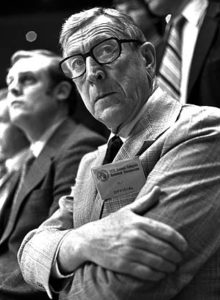
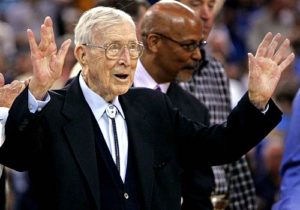
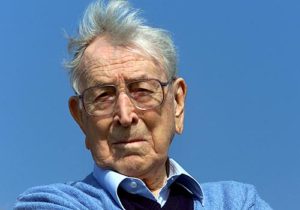
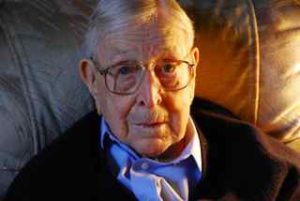
At 89, John Wooden is happier, more positive, more upbeat than ever. There is not a bit of cynicism, not an ounce of bitterness, absolutely no jealousy or envy. He is still the same teacher, the same positive force, the person who we would all like to become, only better. Better because he has won life’s greatest battles. Better because John Wooden represents the conquest of substance over hype, the triumph of achievement over erratic flailing, the conquest of discipline over gambling and the triumph of executing an organized plan over hoping that you’ll be lucky, hot or in the zone. John Wooden also represents the conquest of sacrifice, hard work and commitment to achievement over the pipe dream that some one will just give you something or that you can take a pill or turn a key to get what you want.
The joy and happiness in John Wooden’s life comes today, as it always has, from the success of others. He regularly tells us that what he learned from his two favorite teachers, Abraham Lincoln and Mother Theresa, is that a life not lived for others is not a life.
It’s usually sad to say goodbye to those you love when it’s time to go. Not so with John Wooden. With him, it’s always about the next time, the next event, the next game. John Wooden still has the enthusiasm, energy, industriousness, initiative and love of life that allows him to get up every day, quite early I must add, even though the legs are now failing him, with the attitude of “we get to play basketball today. Lets go.”
I thank John Wooden every day for all his selfless gifts, his lessons, his time, his vision and especially his patience.
This is why we call him coach.
Sincerely,